he cash out feature in betting isn't a safety net—it's a calculated exit strategy that can save your bankroll or cost you a fortune. I learned that the hard way during a Premier League match last season. I had a £50 accumulator riding on three legs, with two already won. The final leg was a draw between two mid-table teams, and my potential return was £420. With twenty minutes left, the cash out offer sat at £310. I hesitated. Then a goal went in. The offer dropped to £180. I panicked and took it. Final score: a 1-1 draw—the exact result I needed. I would have won the full £420. That £240 gap still stings.Cash out works by letting you settle a bet before the event ends, for a value determined by the bookmaker's algorithm. It's not a charity. The offer is always less than the true expected value of your bet—often 10-20% less. Bookmakers price in a margin, and they adjust dynamically based on live odds, time remaining。and market liquidity. In-play cash out is especially volatile. I've tracked offers on a single tennis match: a player's cash out value swung from £75 to £120 within five minutes after a single break point. That volatility isn't random—it's designed to tempt impulsive decisions.Punter forums are full of cash out horror stories. One user on a betting subreddit described cashing out a £10 five-fold for £120 with three legs still to play. All three won. The full return would have been £890. Another cashed out a 200/1 outright on a golfer after round two for £400. The golfer won. Payout: £20,000. These aren't rare anomalies. A 2022 study by a gambling research group found that 68% of cash out decisions on accumulators resulted in a lower return than letting the bet run—though that figure varies wildly by sport and timing. The feature preys on loss aversion: we feel the pain of losing a sure thing twice as much as the joy of a bigger win.
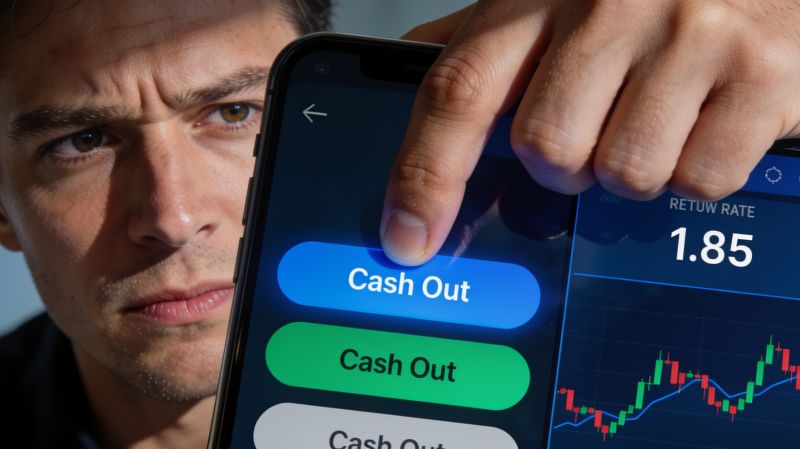
But cash out isn't inherently bad. Used with discipline, it's a risk management tool. I set a rule: only cash out if the original bet's probability of winning has dropped below 40% and the offer exceeds 80% of my initial stake. That's it. No emotional calls. For example, in a recent NBA game, I bet £100 on the Lakers at -3.5. Midway through the third quarter, they were down by 12, and the cash out offer was £55. My model said their win probability was 28%. I took the £55. They lost by 9. That was a good exit. The key is to treat cash out as a pre-committed stop-loss。not a knee-jerk reaction to a swing.Bookmakers love cash out because it increases engagement and churn. More bets, more decisions, more margin. But for bettors, the feature demands a cold, statistical mindset. My advice: track every cash out offer you receive and compare it to the eventual outcome. After 50 bets。you'll see a pattern. Most casual bettors cash out too early on winners and too late on losers. Flip that instinct. If you're going to use cash out feature betting, use it to cut losses, not to lock in small profits on bets that still have value. The house always wins the margin game—don't let it win the psychology game too.